Product Carbon Footprinting
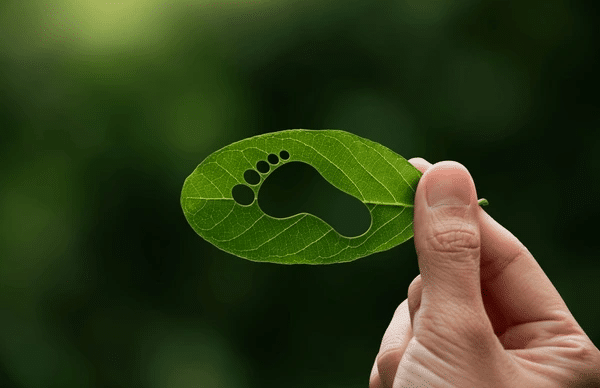
A product carbon footprint is a measure of the greenhouse gas emissions associated with a product across its life cycle. This can include raw material extraction, transport, manufacturing, packaging, distribution, use and end of life, depending on the scope of the assessment.
Product carbon footprinting helps organisations understand where emissions occur within a product supply chain, identify carbon reduction opportunities and provide evidence to support credible carbon claims.
At Circular Ecology, we provide robust product carbon footprint assessments for a wide range of products and materials, using recognised standards and life cycle assessment methods.
Why Complete a Product Carbon Footprint?
Understanding the carbon footprint of your product can help you:
- Identify carbon hotspots: Understand which materials, processes or supply chain stages contribute most to your product’s emissions
- Support product improvement: Use results to inform lower carbon design, procurement and manufacturing decisions
- Respond to customer requirements: Provide carbon data to clients, specifiers, procurement teams and wider stakeholders
- Support credible carbon claims: Evidence claims relating to lower carbon products, carbon reductions or product comparisons
- Prepare for future disclosure requirements: Build the data and internal understanding needed for environmental reporting, EPDs and supply chain transparency
A product carbon footprint can be used as a standalone assessment or as a stepping stone towards a broader Life Cycle Assessment or Environmental Product Declaration.
What Types of Product Carbon Footprint Do We Offer?
We can provide product carbon footprint assessments at different levels of detail, depending on the intended use of the results.
- Cradle-to-Gate Carbon Footprint
This covers the raw material extraction, transport and manufacturing stages of a product. It is often used for construction products, materials and business-to-business supply chain reporting. - Cradle-to-Grave Carbon Footprint
This considers the full life cycle of the product, including manufacture, distribution, use and end of life. This is suitable when the use stage or disposal route is likely to be important. - Comparative Product Carbon Footprint
This compares two or more products, design options or supply chain scenarios. Comparative studies require careful scoping, consistent assumptions and appropriate interpretation. - Streamlined Product Carbon Footprint
This provides an indicative carbon footprint using available data and reasonable assumptions. It can be useful for early-stage decision-making, screening studies or internal prioritisation. - Verified Product Carbon Footprint
Where results are intended for external communication, we can support additional review, assurance or verification to improve confidence in the results.
Standards and Methods
A robust product carbon footprint should be developed using recognised methods and transparent assumptions. Depending on the product type and intended use, relevant standards may include:
- PAS 2050
- GHG Protocol Product Life Cycle Accounting and Reporting Standard
- ISO 14067
- ISO 14040 and ISO 14044
- EN 15804
The most appropriate method depends on the product, sector, data availability and how the results will be used. We can help define the correct approach at the start of the project.
What Does a Typical Product Carbon Footprint Process Involve?
- Scoping Meeting
We agree the product, purpose of the assessment, life cycle boundary, functional or declared unit, reporting needs and any standards to be followed. - Data Collection
We collect information on product composition, raw materials, suppliers, transport, manufacturing energy, packaging, waste and other relevant processes. - Life Cycle Modelling
We model the product carbon footprint using primary data, secondary datasets, published sources and appropriate emission factors. - Results and Hotspot Analysis
We identify the main contributors to the product footprint and explain which materials, processes or assumptions are driving the results. - Carbon Reduction Opportunities
We can provide recommendations for reducing emissions, such as material substitution, supplier engagement, energy improvements, logistics changes or design optimisation. - Reporting and Communication
We present the results in a clear report suitable for internal decision-making, customer disclosure or external communication, depending on the agreed scope. - Review or Verification, Where Required
If the results are intended to support public claims, product comparisons or formal disclosure, we can support independent review or verification.
Please use the form below if you would like to reach out to us regarding these services:
ISO 14060 Consultation Opens as SBTi Releases Corporate Net Zero Standard v2.0
Two major developments this month indicate continued evolution in the global net zero standards landscape, [...]
Jun
DESNZ Release 2026 UK GHG Conversion Factors
The Department for Energy Security and Net Zero has released the 2026 UK Government Greenhouse [...]
Jun
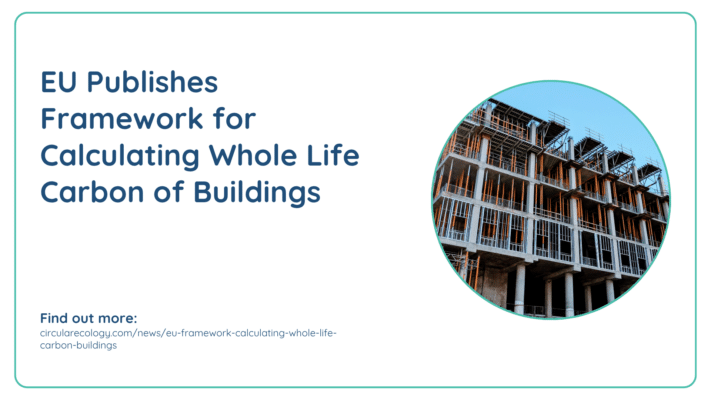
EU Publishes Framework for Calculating Whole Life Carbon of Buildings
The European Commission has published a new framework for calculating the life cycle global warming [...]
May
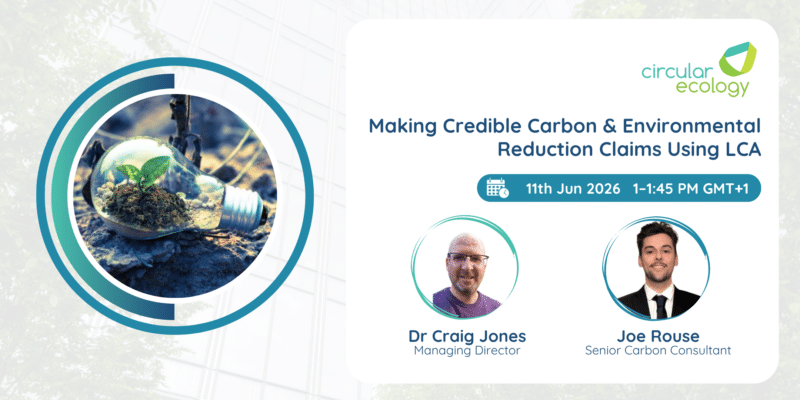
June 2026 Webinar: Making Credible Carbon & Environmental Reduction Claims Using LCA
Our next free webinar takes place on 11th June 2026, and will explore how Product [...]
May